Festive Herb Roast Turkey
Highlighted under: Dinner Party
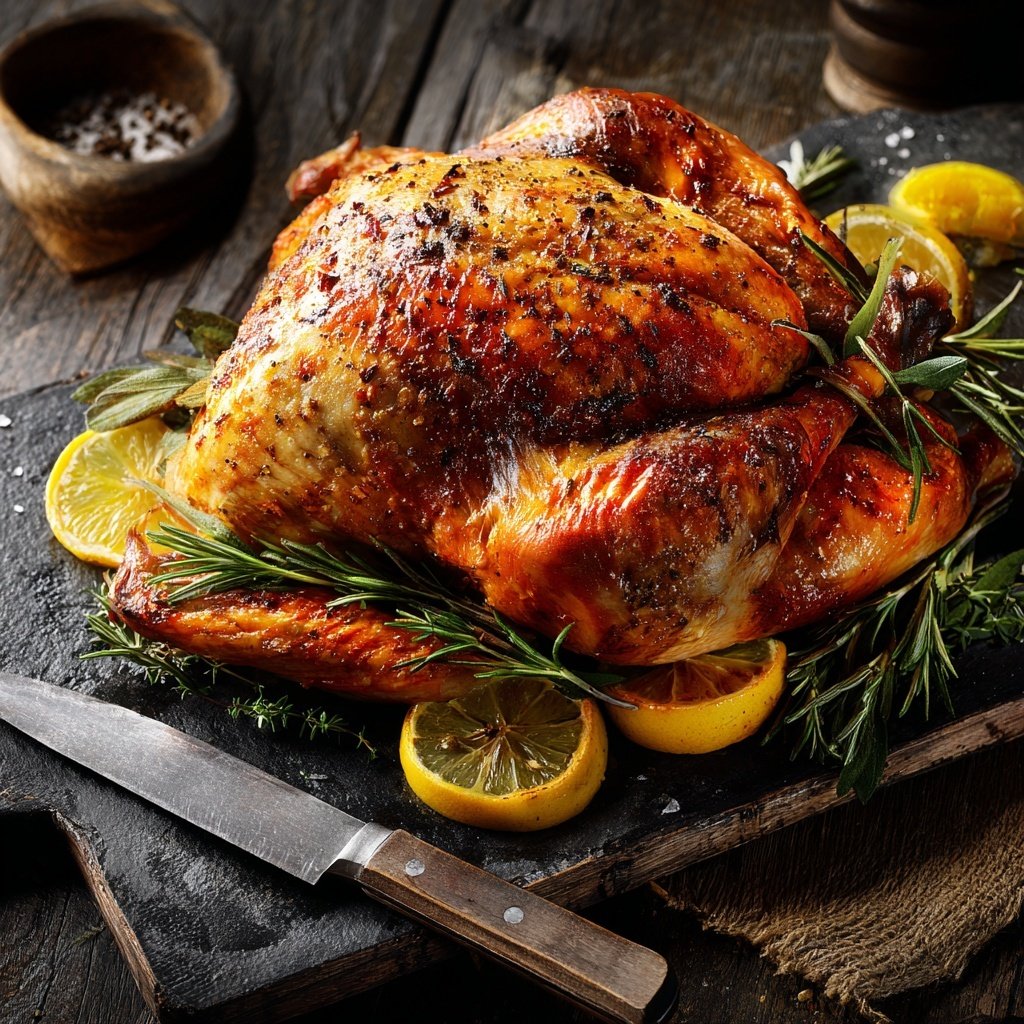
I love making a festive herb roast turkey for special occasions, and this recipe truly elevates my gatherings. The combination of fresh herbs and citrus creates an aroma that fills the house with warmth and invites everyone to the table. I find that brining the turkey beforehand is key to achieving a juicy and flavorful result. With this straightforward method, you can impress your guests without being overwhelmed in the kitchen. This turkey is more than just a meal; it’s a centerpiece of joy and celebration!
When I first attempted this recipe, the blend of herbs and aromatics captivated me. I remember basting the turkey periodically, which really helped to bring out the flavors, and that golden brown skin became a stunning visual on our dining table. In my experience, allowing the turkey to rest after roasting is crucial—not only does it enhance the flavors, but it makes carving much easier.
Another tip I discovered is to stuff the cavity with citrus and herbs, as it infuses the meat with incredible moisture and zestiness. This turkey has become my go-to for family gatherings, ensuring that a slice of it comes with a story, flavor, and plenty of smiles.
Why You Will Love This Recipe
- Delicious depth from fresh herbs and zesty citrus
- Perfectly juicy and tender turkey that wow your guests
- Memorable centerpiece for holiday feasts and gatherings
The Importance of Brining
Brining the turkey is essential for achieving maximum juiciness and flavor. The salt in the brine helps to break down the muscle proteins, allowing the meat to absorb moisture and flavor. For the best results, I recommend brining the turkey for at least 12 hours, or even up to 24 hours if you have the time. This extended soaking period allows for a deeper infusion of flavors from the herbs and spices in the brine.
Never skip the cooling step after preparing your brine. It’s crucial that the brine is completely cooled before submerging your turkey to avoid partially cooking the meat. A common mistake is to rush this step and to end up with an unevenly seasoned turkey. If you're short on time, you can cool the brine quickly by using ice or cold water, but make sure to account for this in your liquid measurements.
Flavorful Stuffing Techniques
When stuffing the turkey, consider the balance of flavors. The citrus fruits not only enhance the flavor but also impart a lovely aroma as the turkey roasts. I like to ensure that the stuffing ingredients are loosely packed inside the cavity to allow for even cooking and to prevent sogginess. Avoid overstuffing as this can interfere with proper cooking and lead to a dry bird.
Additionally, the use of fresh herbs inside the cavity not only adds flavor but also keeps the meat moist throughout the roasting process. If you want to experiment, feel free to add additional aromatics, like whole garlic cloves or bay leaves, which can add another layer of flavor. Just be cautious about using overly strong spices, as they can overpower the turkey's natural taste.
Serving and Leftovers
Once your turkey is out of the oven and rested, carving it properly is key to an impressive presentation. Start by removing the legs and thighs, then slice the breast meat against the grain for tender slices. If you're serving for a large gathering, consider carving the turkey into manageable pieces before bringing it to the table to make serving easier.
Don’t let those delicious leftovers go to waste! Store any remaining turkey in an airtight container in the refrigerator for up to four days, or freeze it for longer storage. When reheating, ensure the turkey reaches an internal temperature of 165°F (75°C) to maintain food safety. Use broth or gravy to add moisture while reheating, preventing the meat from drying out.
Ingredients
Gather the following ingredients to create a mouthwatering roast turkey:
For the Brine
- 1 cup kosher salt
- 1/2 cup brown sugar
- 1 gallon water
- 4-5 sprigs rosemary
- 4-5 sprigs thyme
- 2-3 cloves garlic, smashed
For the Turkey
- 12-14 lb whole turkey, thawed
- 1 lemon, halved
- 1 orange, halved
- 1 onion, quartered
- 4-5 sprigs fresh sage
- 4-5 sprigs fresh parsley
- 3 tbsp olive oil
- Salt and pepper to taste
With these ingredients on hand, you'll be ready to create a delightful roast turkey.
Instructions
Follow these steps to roast a flavorful turkey that will have everyone raving:
Prepare the Brine
In a large pot, combine kosher salt, brown sugar, and water. Stir until dissolved. Add rosemary, thyme, and smashed garlic. Let it cool completely before using.
Brine the Turkey
Submerge the turkey in the brine, making sure it’s fully covered. Refrigerate for at least 12 hours, preferably overnight.
Preheat and Prepare
Preheat the oven to 325°F (165°C). Remove the turkey from the brine and pat it dry with paper towels. Season the turkey inside and out with salt and pepper.
Stuff the Turkey
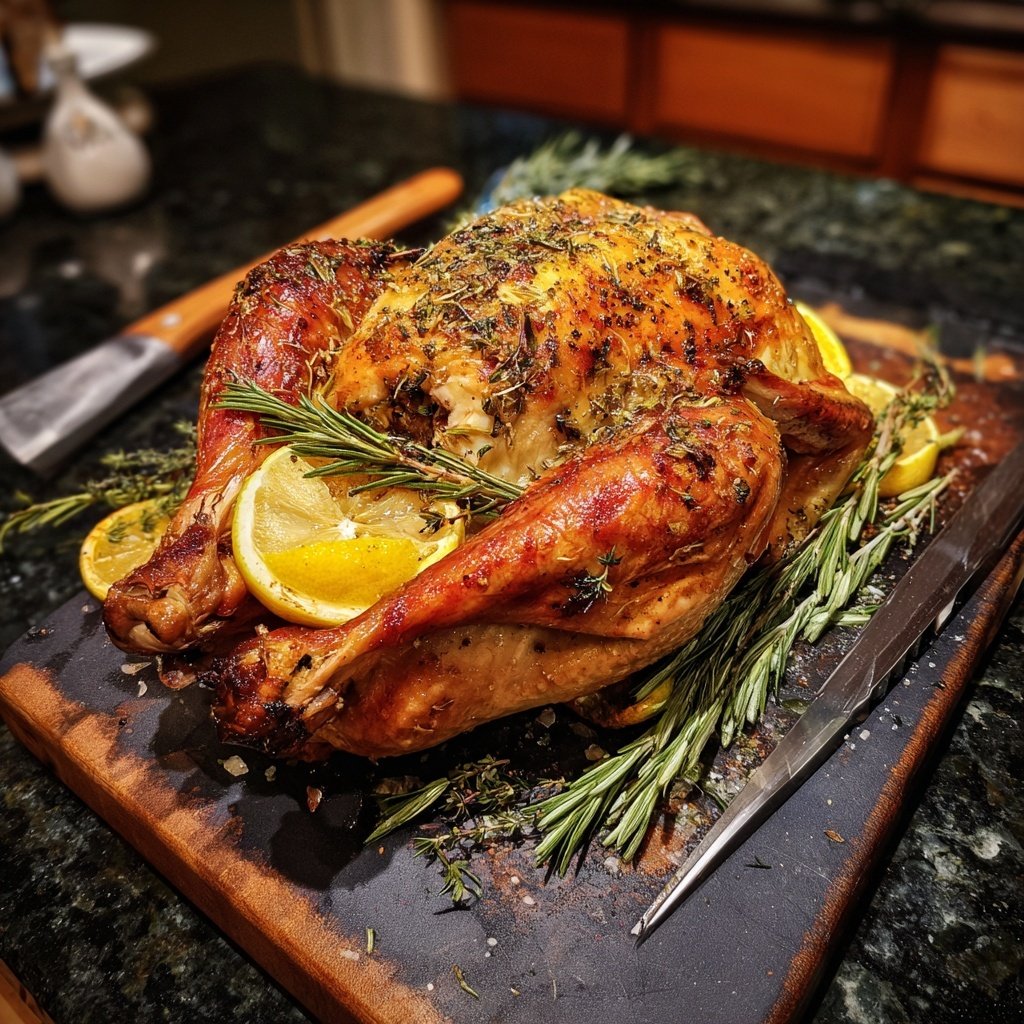
Stuff the cavity with lemon, orange, onion, and fresh herbs. Drizzle olive oil over the skin and massage it in.
Roast the Turkey
Place the turkey breast-side up in a roasting pan. Roast for about 3 hours, basting every 30 minutes, until the internal temperature reaches 165°F (75°C).
Let it Rest
Once cooked, remove the turkey from the oven and let it rest for at least 20 minutes before carving. This helps retain the juices.
Once you carve it, serve with your favorite sides and enjoy a magnificent meal!
Pro Tips
- For a deeper flavor, add apple cider or white wine to the roasting pan. Also, consider covering the turkey with aluminum foil during the first hour of roasting to prevent over-browning.
Ingredient Substitutions
If you're unable to find fresh herbs, dried herbs can be substituted, but use them sparingly; dried herbs are more concentrated than fresh. For rosemary and thyme, about a third of the amount generally works well. You might also consider using herb blends, which can save time but ensure they complement the other flavors in the dish.
For those looking for a dietary swap, you can use a lower-sodium salt for the brine to make this recipe more heart-healthy. Additionally, if you have citrus allergies, substituting with apple or pear slices in the cavity can still create aromatics while offering a different flavor profile.
Make-Ahead Tips
You can prepare the brine a day or two in advance and store it in the refrigerator until you're ready to use it. This not only saves time but allows the flavors in the brine to develop further. Just make sure to reheat it to room temperature before using so that it mixes well with the bird.
Additionally, if you're short on time on the day of roasting, you can also prep the turkey up to stuffing it the night before. After seasoning, cover the turkey and let it rest in the refrigerator, allowing the flavors to meld overnight.
Troubleshooting Common Issues
If you find that your turkey is cooking unevenly, try rotating the roasting pan halfway through cooking. This ensures even exposure to heat. Also, consider tenting the turkey with aluminum foil if the skin begins to brown too quickly—this will protect the skin from burning while allowing the interior to cook through.
If you notice the meat is dry after cooking, it may have been overcooked or not properly basted. To prevent this, ensure that you baste it regularly with the pan drippings, making sure to check the internal temperature accurately to avoid overcooking.
Questions About Recipes
→ How long should I brine the turkey?
Brining for at least 12 hours will yield the best results, but you can brine it for up to 24 hours.
→ Can I use frozen turkey?
Yes, ensure it is completely thawed before brining or cooking.
→ What if I don’t have fresh herbs?
You can use dried herbs, but reduce the quantity by about one-third, as dried herbs are more concentrated.
→ How do I know when the turkey is done?
Use a meat thermometer to check the internal temperature; it should read 165°F (75°C) in the thickest part of the thigh.
Festive Herb Roast Turkey
Created by: The Chefblakeresipes Team
Recipe Type: Dinner Party
Skill Level: Intermediate
Final Quantity: 8-10 servings
What You'll Need
For the Brine
- 1 cup kosher salt
- 1/2 cup brown sugar
- 1 gallon water
- 4-5 sprigs rosemary
- 4-5 sprigs thyme
- 2-3 cloves garlic, smashed
For the Turkey
- 12-14 lb whole turkey, thawed
- 1 lemon, halved
- 1 orange, halved
- 1 onion, quartered
- 4-5 sprigs fresh sage
- 4-5 sprigs fresh parsley
- 3 tbsp olive oil
- Salt and pepper to taste
How-To Steps
In a large pot, combine kosher salt, brown sugar, and water. Stir until dissolved. Add rosemary, thyme, and smashed garlic. Let it cool completely before using.
Submerge the turkey in the brine, making sure it’s fully covered. Refrigerate for at least 12 hours, preferably overnight.
Preheat the oven to 325°F (165°C). Remove the turkey from the brine and pat it dry with paper towels. Season the turkey inside and out with salt and pepper.
Stuff the cavity with lemon, orange, onion, and fresh herbs. Drizzle olive oil over the skin and massage it in.
Place the turkey breast-side up in a roasting pan. Roast for about 3 hours, basting every 30 minutes, until the internal temperature reaches 165°F (75°C).
Once cooked, remove the turkey from the oven and let it rest for at least 20 minutes before carving. This helps retain the juices.
Extra Tips
- For a deeper flavor, add apple cider or white wine to the roasting pan. Also, consider covering the turkey with aluminum foil during the first hour of roasting to prevent over-browning.
Nutritional Breakdown (Per Serving)
- Calories: 380 kcal
- Total Fat: 26g
- Saturated Fat: 15g
- Cholesterol: 195mg
- Sodium: 85mg
- Total Carbohydrates: 32g
- Dietary Fiber: 3g
- Sugars: 24g
- Protein: 6g